
Printable Companion Planting To Deter Pests
Printable Companion Planting To Deter Pests - Potato companion plants such as beans, cabbage, eggplant, peas, and corn can improve growth and deter pests. Others, such as basil and mint, have oils that can repel pests. To keep insects, worms, and rodents at bay, expert gardeners suggest companion planting, which acts as a natural deterrent amongst your flowers and veggies to confuse bugs'. Companion planting has many benefits. Radishes are a classic companion plant for squash. Companion planting offers gardeners a natural way to protect their vegetable crops from common pests. Here are eight companion plants that pair well with watermelon, offering benefits such as. What is companion planting and why is it beneficial? This gardening method encourages biodiversity, improves crop yields, and reduces. Plants that repel pests, such as marigolds and basil, can be used to help control pest populations and reduce the need for external inputs. Enhance nutrient absorption, control pests, and increase crop yield in your garden. Companion planting has many benefits. By strategically placing certain plants together, it’s possible to deter harmful insects. Get the ultimate tool for planning your vegetable. By creating a planting plan that incorporates. Corn squash (see winter squash) ey and asparagus mutually benefit their growth, and parsley rep. Some companion plants, such as marigolds and nasturtiums, have strong scents that can repel pests. Companion planting can boost soil fertility and. Others, such as basil and mint, have oils that can repel pests. Ests, and plants that attract beneficial insects. Corn squash (see winter squash) ey and asparagus mutually benefit their growth, and parsley rep. Companion planting can boost soil fertility and. Companion planting has many benefits. From edible plants to flowers, there are a handful of plants that can help prevent diseases, deter pests, and provide shade for nearby company. This method not only controls pests but also boosts. Corn squash (see winter squash) ey and asparagus mutually benefit their growth, and parsley rep. Some plants repel pests while others improve soil quality or attract helpful pollinators. Some companion plants, such as marigolds and nasturtiums, have strong scents that can repel pests. If you’re ready to take your garden to the next level, consider implementing printable planting strategies to. Whether you’re looking for the. Others, such as basil and mint, have oils that can repel pests. Other partner plants help the soil retain moisture, like. What is companion planting and why is it beneficial? Ions, garlic, ramps, chives, leeks,. If you’re ready to take your garden to the next level, consider implementing printable planting strategies to keep pests at bay. Other partner plants help the soil retain moisture, like. To keep insects, worms, and rodents at bay, expert gardeners suggest companion planting, which acts as a natural deterrent amongst your flowers and veggies to confuse bugs'. This method not. I’m not a huge fan of spraying chemicals all over my veggies. Companion planting has many benefits. When you plant marigolds near vegetables like. Enhance nutrient absorption, control pests, and increase crop yield in your garden. Known for their ability to deter pests like cucumber beetles, they offer a natural form of pest control. Plants that repel pests, such as marigolds and basil, can be used to help control pest populations and reduce the need for external inputs. Other partner plants help the soil retain moisture, like. Whether you’re looking for the. Companion planting involves growing different plants together to naturally. Some companion plants, such as marigolds and nasturtiums, have strong scents that can. From edible plants to flowers, there are a handful of plants that can help prevent diseases, deter pests, and provide shade for nearby company. Potato companion plants such as beans, cabbage, eggplant, peas, and corn can improve growth and deter pests. Companion planting can boost soil fertility and. By strategically planting certain crops together, gardeners can improve plant health, enhance. I’m not a huge fan of spraying chemicals all over my veggies. Companion planting can help improve the health and yield of your plants, as well as deter pests and attract beneficial insects. Some companion plants, such as marigolds and nasturtiums, have strong scents that can repel pests. By strategically planting certain crops together, gardeners can improve plant health, enhance. Companion planting offers gardeners a natural way to protect their vegetable crops from common pests. Companion planting can boost soil fertility and. When you plant marigolds near vegetables like. The secret lies in companion planting—pairing your arugula plant with the right neighbors to boost growth, deter pests, and enhance flavor. Basil can ward off flies and mosquitoes while enhancing the. Growing watermelon alongside certain plants can enhance growth and deter pests. To keep insects, worms, and rodents at bay, expert gardeners suggest companion planting, which acts as a natural deterrent amongst your flowers and veggies to confuse bugs'. Ions, garlic, ramps, chives, leeks,. The secret lies in companion planting—pairing your arugula plant with the right neighbors to boost growth, deter. In some cases a plant like basil will deter pests from destroying your tomatoes or peppers. This gardening method encourages biodiversity, improves crop yields, and reduces. Other partner plants help the soil retain moisture, like. Some plants repel pests while others improve soil quality or attract helpful pollinators. To keep insects, worms, and rodents at bay, expert gardeners suggest companion planting, which acts as a natural deterrent amongst your flowers and veggies to confuse bugs'. Plants that repel pests, such as marigolds and basil, can be used to help control pest populations and reduce the need for external inputs. Ions, garlic, ramps, chives, leeks,. When you plant marigolds near vegetables like. Get the ultimate tool for planning your vegetable. From edible plants to flowers, there are a handful of plants that can help prevent diseases, deter pests, and provide shade for nearby company. Some companion plants, such as marigolds and nasturtiums, have strong scents that can repel pests. Companion planting has many benefits. Enhance nutrient absorption, control pests, and increase crop yield in your garden. Basil can ward off flies and mosquitoes while enhancing the flavor of tomatoes. If you’re ready to take your garden to the next level, consider implementing printable planting strategies to keep pests at bay. Use plants that repel pests:
Vegetable Companion Planting Includes Printable Backyard Vegetable
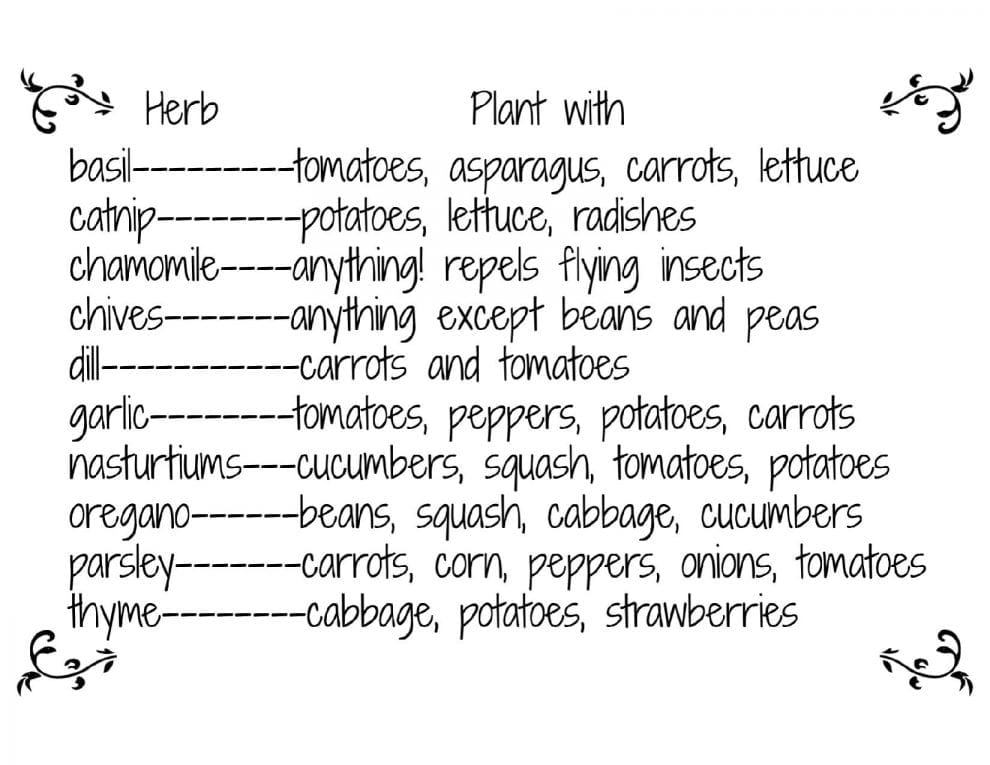
Companion Planting 10 Herbs That Repel Garden Pests Hip Homeschool Moms

Printable Companion Planting Chart Know which vegetables can be

Printable Companion Planting Chart
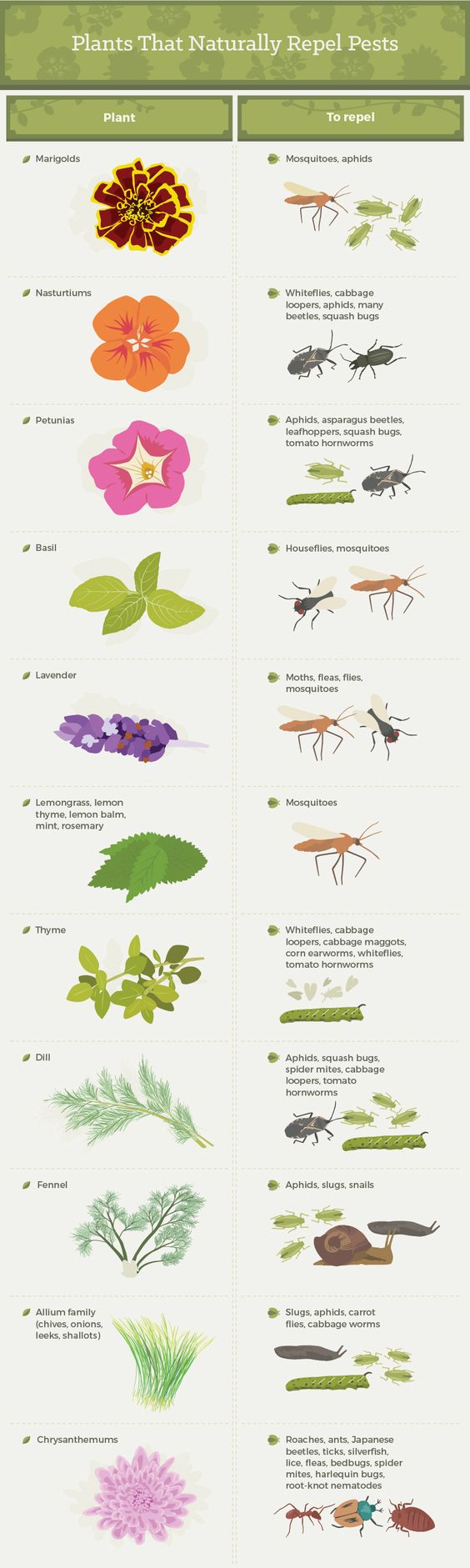
How to switch to organic gardening

Free Printable Companion Planting Chart Companion planting chart

Companion Planting Chart and Guide for Vegetable Gardens Secret Life

Companion Planting Flowers to Deter Garden Pests Family Food Garden
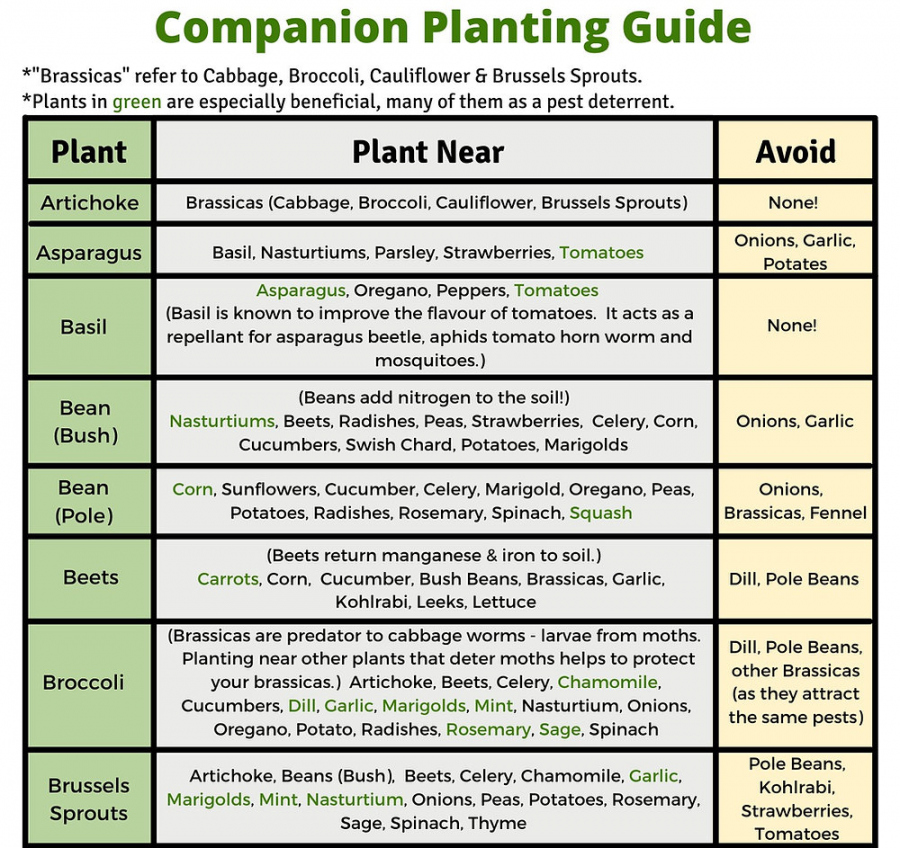
Free Printable Printable Companion Planting Chart FREE Printable HQ

Herb Companion Planting, Plant Benefits, Homestead Gardens, Natural
Corn Squash (See Winter Squash) Ey And Asparagus Mutually Benefit Their Growth, And Parsley Rep.
Here Are A Handful Of My Favorite Plants For Discouraging Pests In The Vegetable Garden To Jumpstart Your Companion Planting Endeavors.
Known For Their Ability To Deter Pests Like Cucumber Beetles, They Offer A Natural Form Of Pest Control.
Discover The Benefits Of Companion Planting With Our Printable Chart.
Related Post: