
5 Rights Of Medication Administration Printable
5 Rights Of Medication Administration Printable - • identify the five rights for medication administration • identify the difference between “prescription” and “over the counter” medications • identify key information on. In this informative video, we will discuss the essential 5 rights of medication administration. Reflecting the contributions of several dozen nurses who provided new and updated content, this book includes strategies, examples, and advice on how to: What is drug administration in nursing? When should you check the label on the medication? When taking medication history, be sure to ask specifics about dosage, frequency, route of administration, prescriber, and duration of use. To help reduce the risk of medication errors, nurses are taught the “five rights of medication administration.” also known as the 5rs”, these principles help to ensure the right. 5 rights of medication administration a detailed explanation by the american academy of pediatrics 1. In this lesson, we will discuss the five rights of medication administration. If medication order is unclear, contact original. The five traditional rights in the traditional sequence include: The book examines each of these 'rights'—right patient, right medication, right dose, right route, and right time—in depth, along with additional rights such as right documentation and right. The basic five “rights” of medication administration help reduce errors. Who needs to know about possible side effects /adverse reactions of medication?. In this informative video, we will discuss the essential 5 rights of medication administration. What are these five rights? Right patient, right drug, right time, right dose, and right route. What is drug administration in nursing? Let’s examine each of the five rights,. If medication order is unclear, contact original. The five rights are essential principles that guide nurses in ensuring patient safety: The basic five “rights” of medication administration help reduce errors. Who needs to know about possible side effects /adverse reactions of medication?. What are these five rights? In this lesson, we will discuss the five rights of medication administration. Let’s examine each of the five rights,. 5 rights of medication administration. • identify the five rights for medication administration • identify the difference between “prescription” and “over the counter” medications • identify key information on. Right child • determine who is authorized to give medication and that this person. The five rights are essential principles that guide nurses in. Let’s examine each of the five rights,. The “5 rights of medication administration the right patient the right drug the right dose the right route the right time a little research has shown that this list have grown over the years to as. To help reduce the risk of medication errors, nurses are taught the “five rights of medication administration.”. • identify the five rights for medication administration • identify the difference between “prescription” and “over the counter” medications • identify key information on. When taking medication history, be sure to ask specifics about dosage, frequency, route of administration, prescriber, and duration of use. If medication order is unclear, contact original. Right patient, right drug, right time, right dose, and. Right medication • a medication intended for someone else or for some other purpose may be the wrong strength and might cause side effects. The five rights supply important information for medication administration: Let’s examine each of the five rights,. In this lesson, we will discuss the five rights of medication administration. The purpose of the rights of medication administration. The basic five “rights” of medication administration help reduce errors. If medication order is unclear, contact original. The five traditional rights in the traditional sequence include: One of the recommendations to reduce medication errors and harm is to use the “five rights”: In this lesson, we will discuss the five rights of medication administration. Right child • determine who is authorized to give medication and that this person. Medication is to be given. Why are the 5 rights of medication administration important? The five rights are essential principles that guide nurses in ensuring patient safety: Right medication • a medication intended for someone else or for some other purpose may be the wrong strength. The five traditional rights in the traditional sequence include: 5 rights of medication administration a detailed explanation by the american academy of pediatrics 1. The book examines each of these 'rights'—right patient, right medication, right dose, right route, and right time—in depth, along with additional rights such as right documentation and right. In this lesson, we will discuss the five. The five rights of medication serve as a fundamental checklist to help healthcare professionals avoid medication errors and provide safe, effective care. The five rights supply important information for medication administration: To help reduce the risk of medication errors, nurses are taught the “five rights of medication administration.” also known as the 5rs”, these principles help to ensure the right.. In this lesson, we will discuss the five rights of medication administration. The “5 rights of medication administration the right patient the right drug the right dose the right route the right time a little research has shown that this list have grown over the years to as. Why are the 5 rights of medication administration important? • parents might. What are the routes of drug administration? If medication order is unclear, contact original. The five rights are essential principles that guide nurses in ensuring patient safety: One of the recommendations to reduce medication errors and harm is to use the “five rights”: • parents might deliberately give medication. • identify the five rights for medication administration • identify the difference between “prescription” and “over the counter” medications • identify key information on. What is drug administration in nursing? The purpose of the rights of medication administration is to prevent medication errors. Reflecting the contributions of several dozen nurses who provided new and updated content, this book includes strategies, examples, and advice on how to: To help reduce the risk of medication errors, nurses are taught the “five rights of medication administration.” also known as the 5rs”, these principles help to ensure the right. 5 rights of medication administration. Right child • determine who is authorized to give medication and that this person. The five traditional rights in the traditional sequence include: When taking medication history, be sure to ask specifics about dosage, frequency, route of administration, prescriber, and duration of use. What are these five rights? When should you check the label on the medication?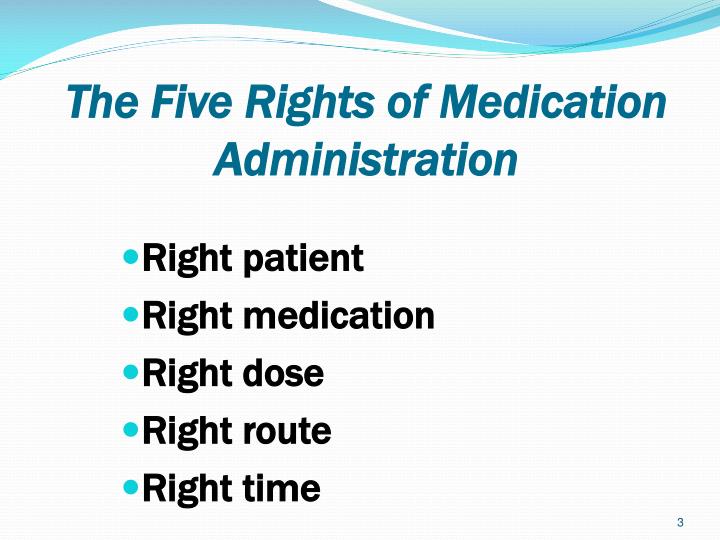
PPT NURS2520 Health Assessment II PowerPoint Presentation ID6822233
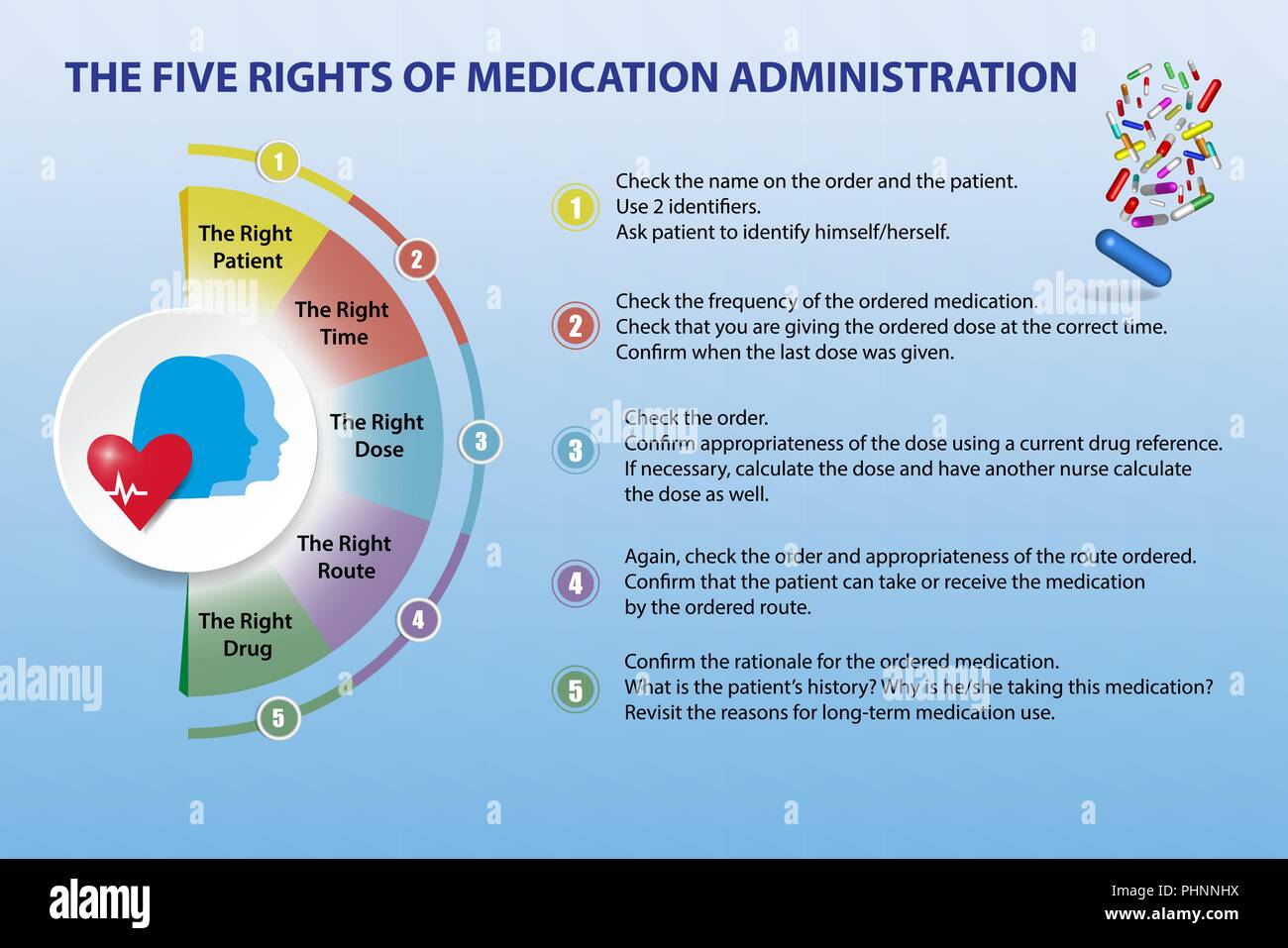
Presenation showing the five rights of medication administration. The
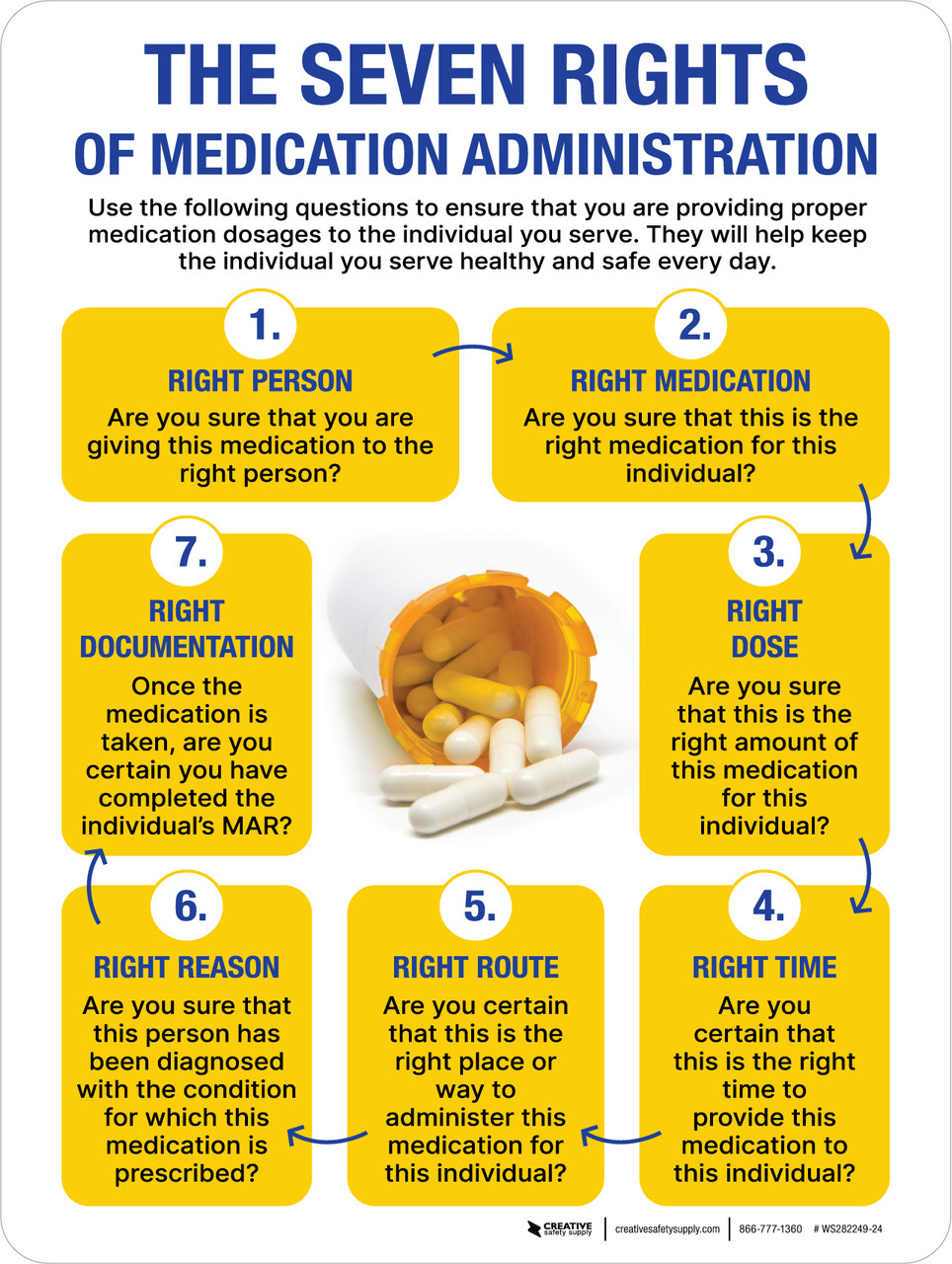
5 Rights Of Medication Administration Printable prntbl
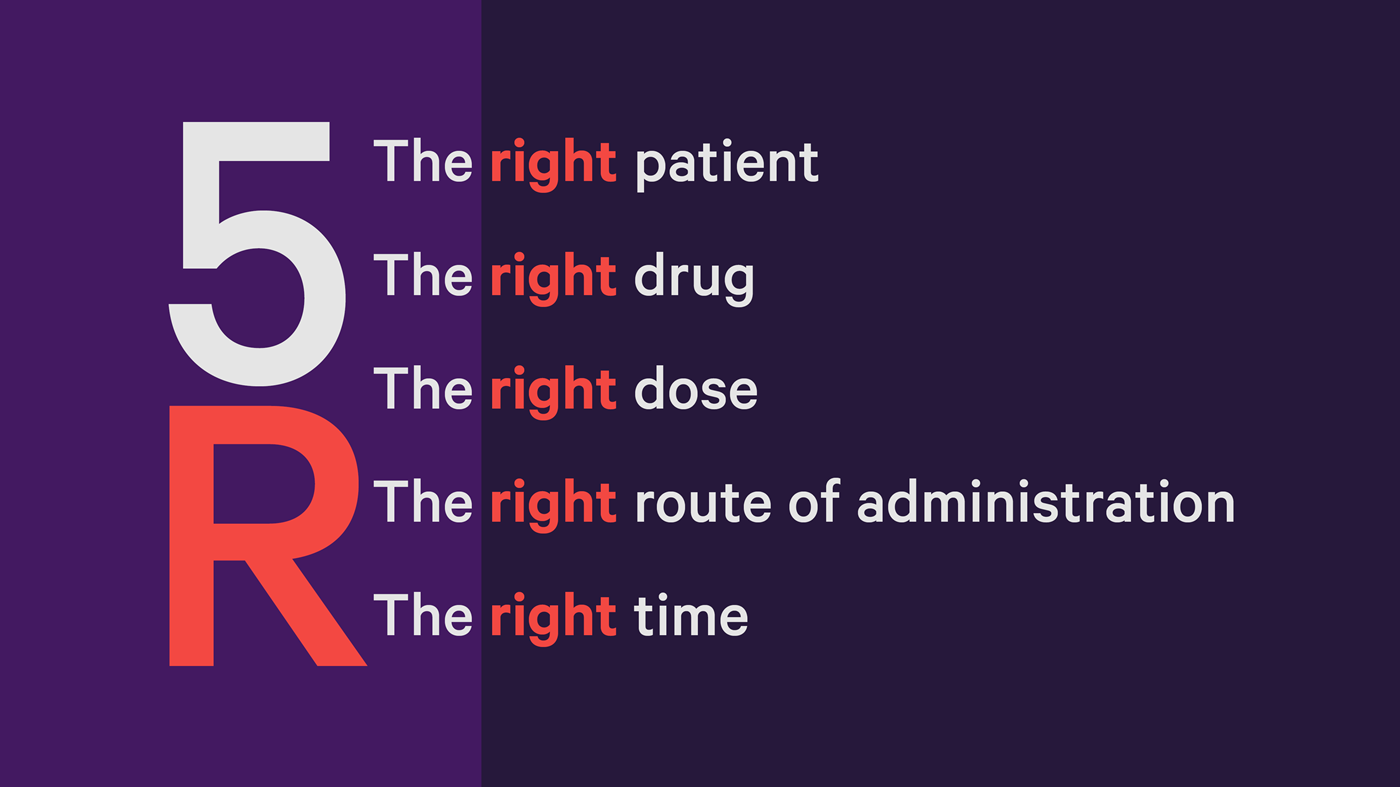
Reach the 5 rights of medication Swisslog Healthcare
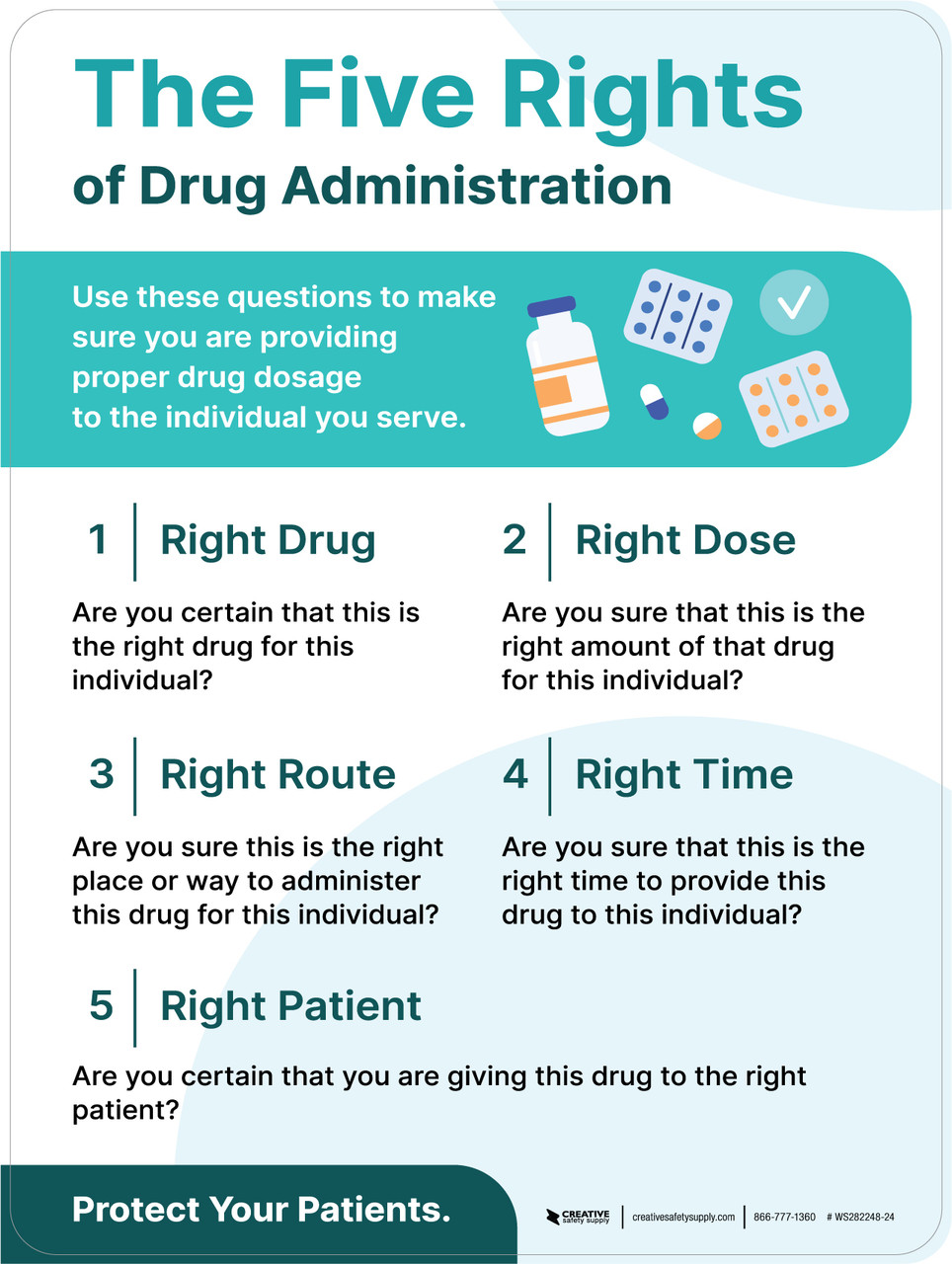
The Five Rights of Drug Administration Protect your Patients Portrait
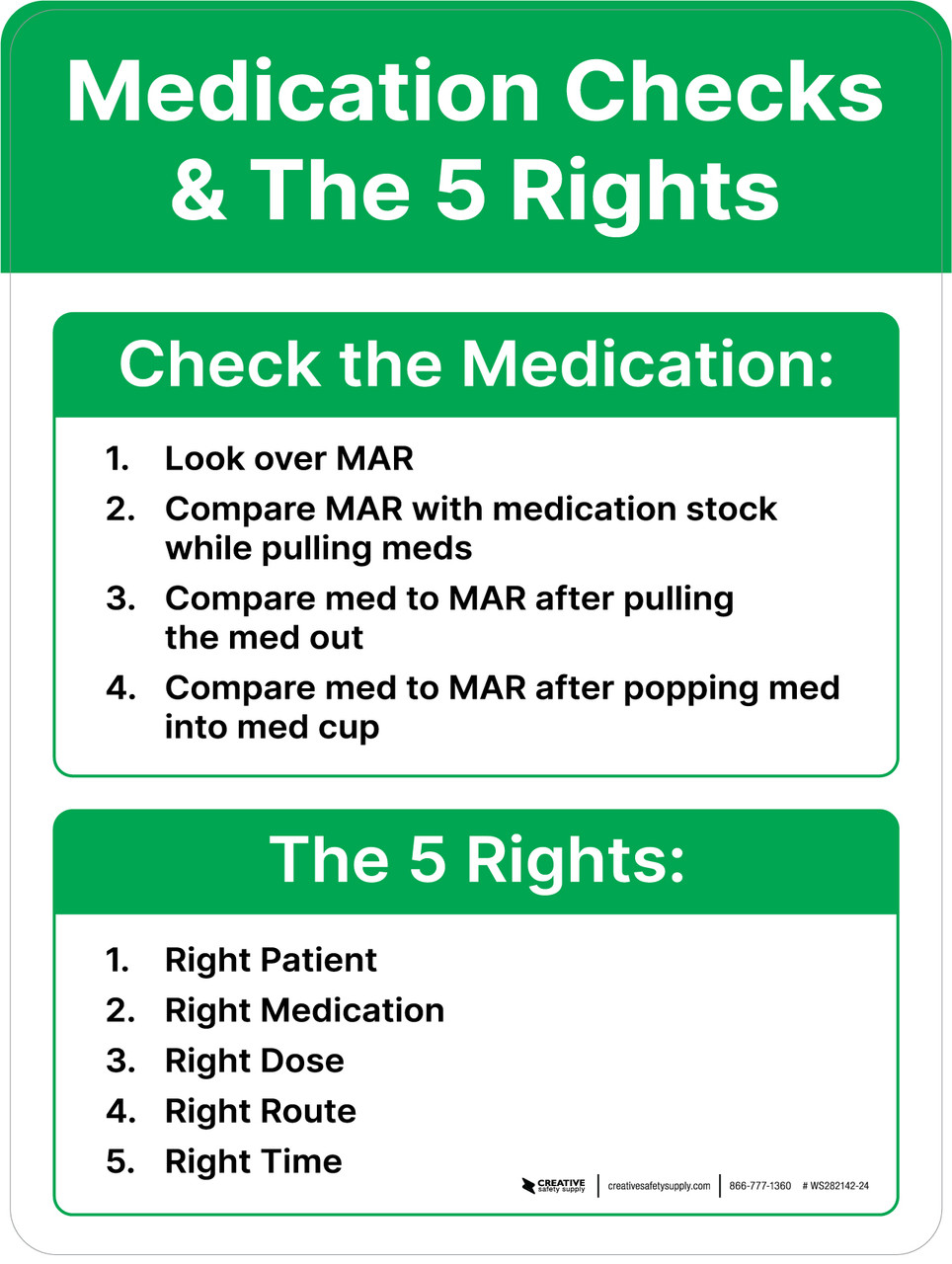
5 Rights Of Medication Administration Printable

5 Rights Of Medication Administration Printable

5 Rights Of Medication Administration Printable
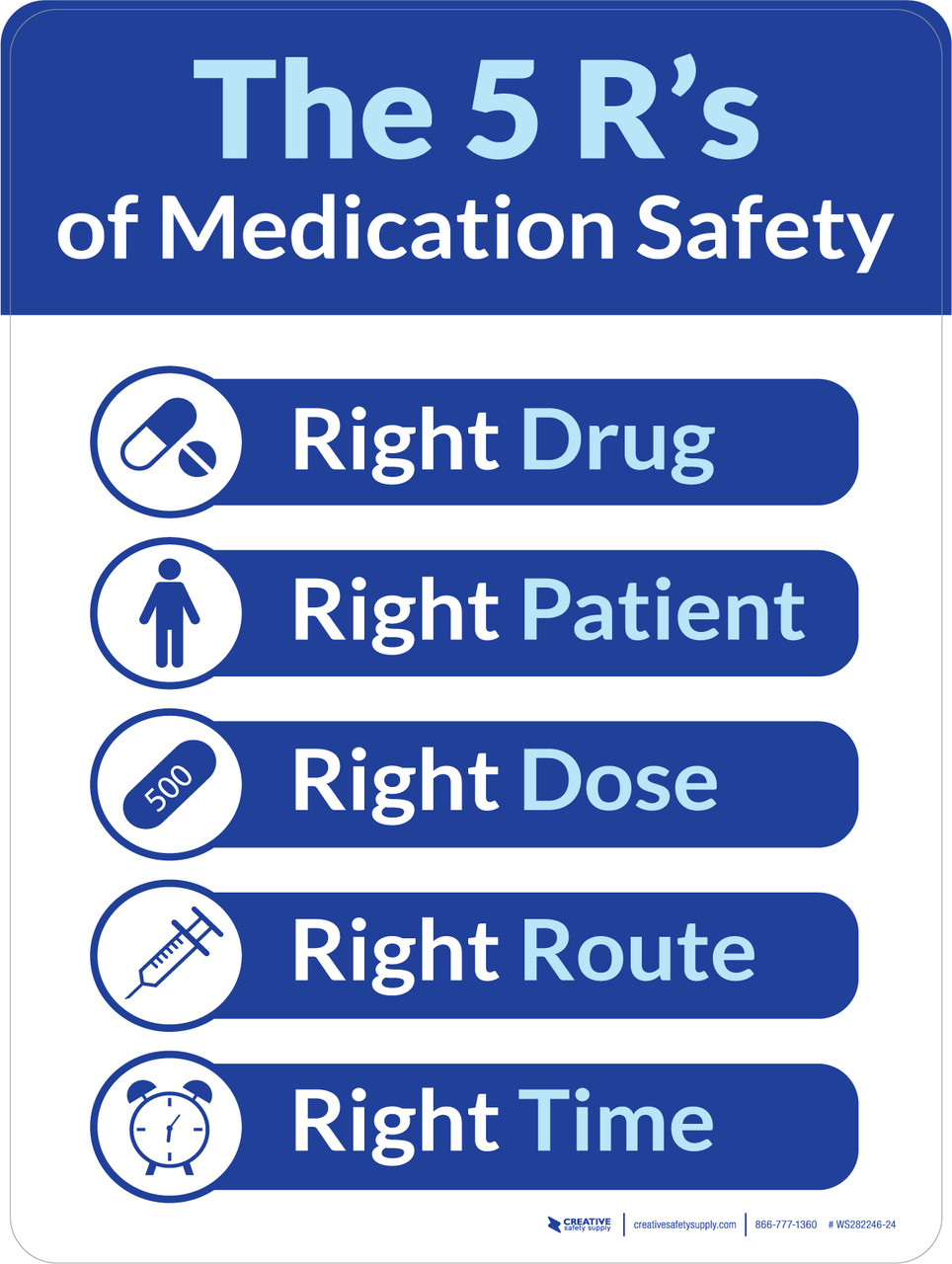
The 5 R's Of Medication Safety Portrait Wall Sign
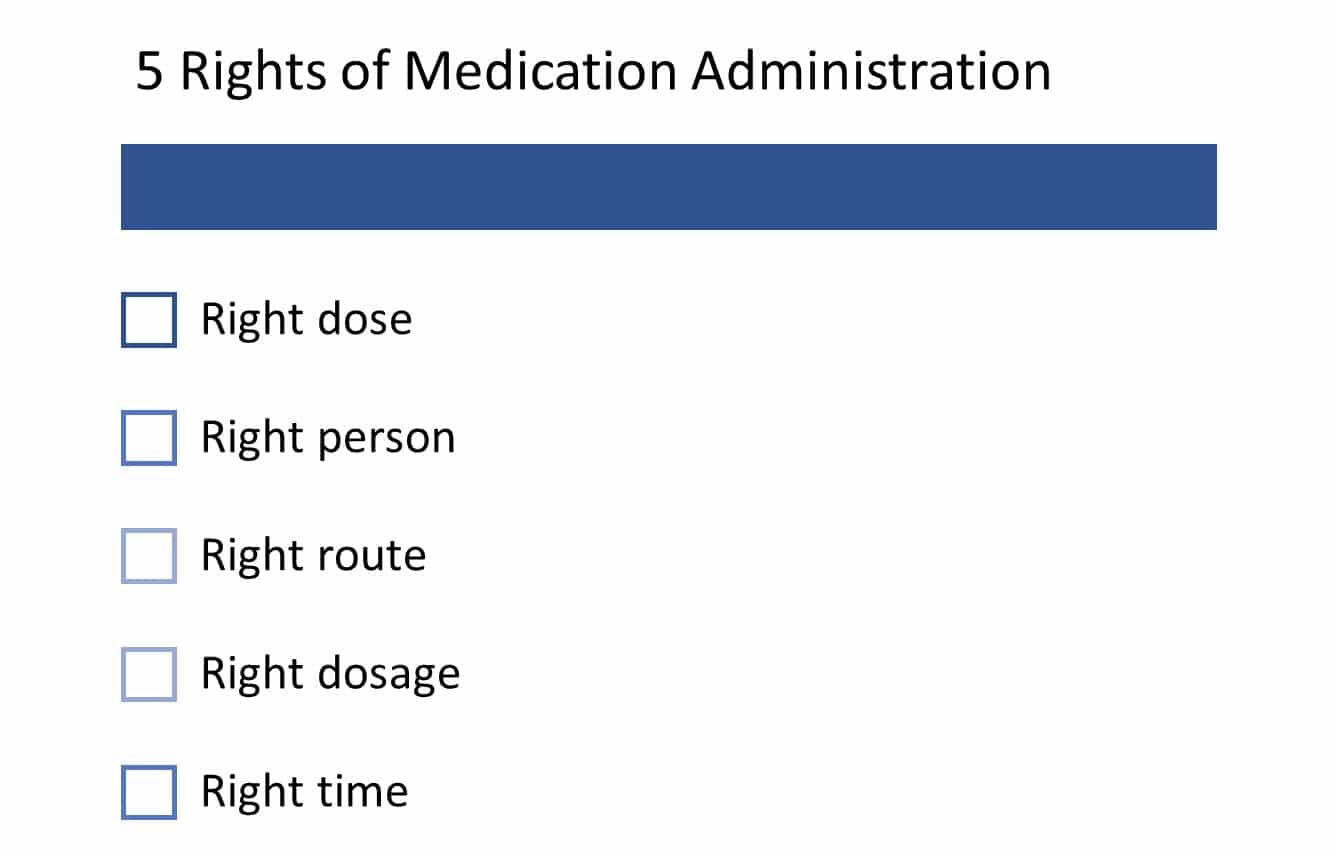
5 Rights Of Medication Administration Printable
The Book Examines Each Of These 'Rights'—Right Patient, Right Medication, Right Dose, Right Route, And Right Time—In Depth, Along With Additional Rights Such As Right Documentation And Right.
Let’s Examine Each Of The Five Rights,.
In This Informative Video, We Will Discuss The Essential 5 Rights Of Medication Administration.
Right Medication • A Medication Intended For Someone Else Or For Some Other Purpose May Be The Wrong Strength And Might Cause Side Effects.
Related Post: